
Cultivating our Heritage
Heirloom Seeds of Italy
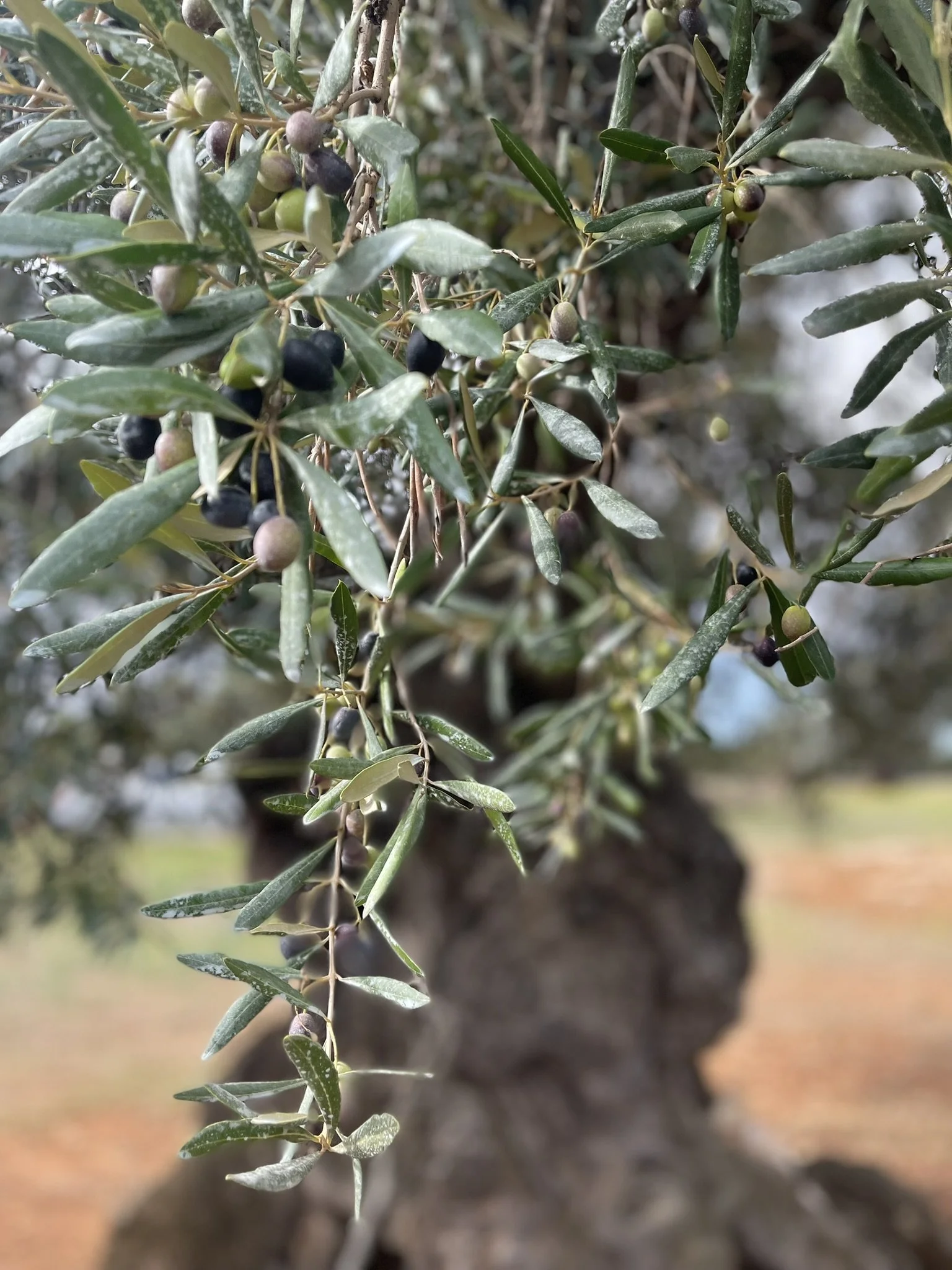


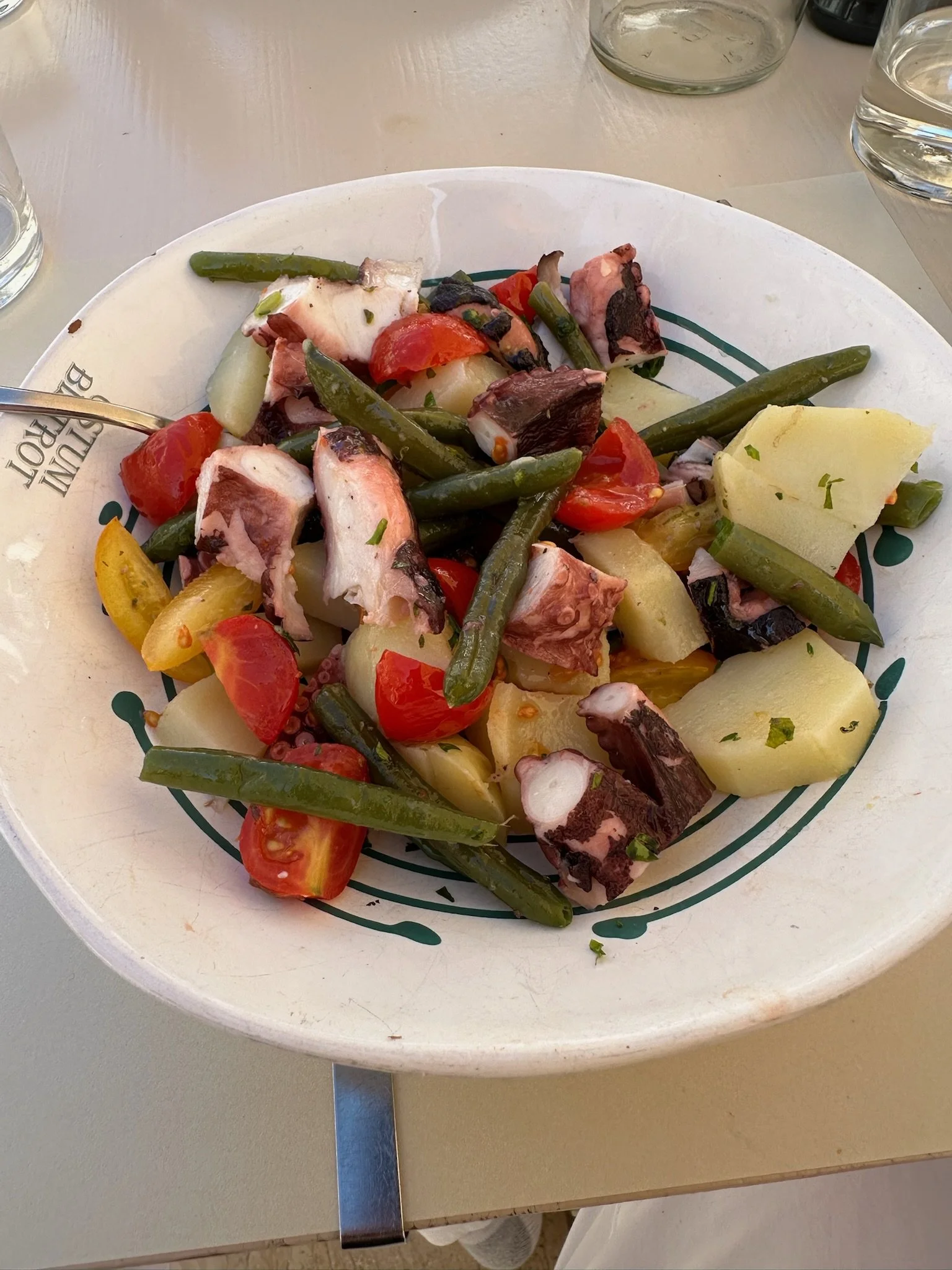

In the whitewashed towns of Puglia, families rose before dawn to tend olive groves, vineyards, wheat fields, gardens, and fava patches that had sustained their ancestors for centuries. They endured droughts, wars, poverty, and emigration with remarkable perseverance and quiet strength.
Those same qualities still live within us today.
Every seed planted is a reminder that resilience, resourcefulness, and stewardship are part of our inheritance.
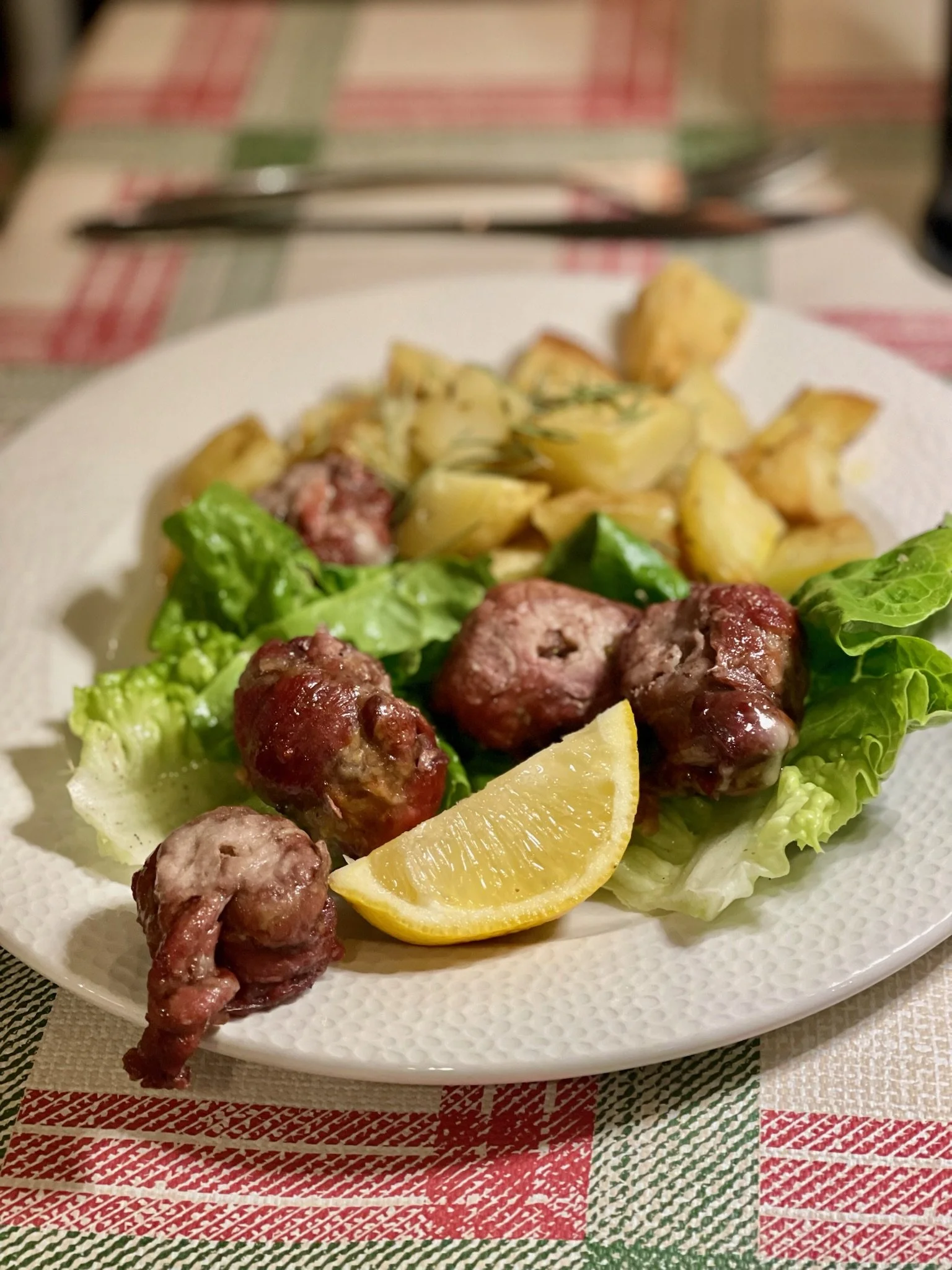
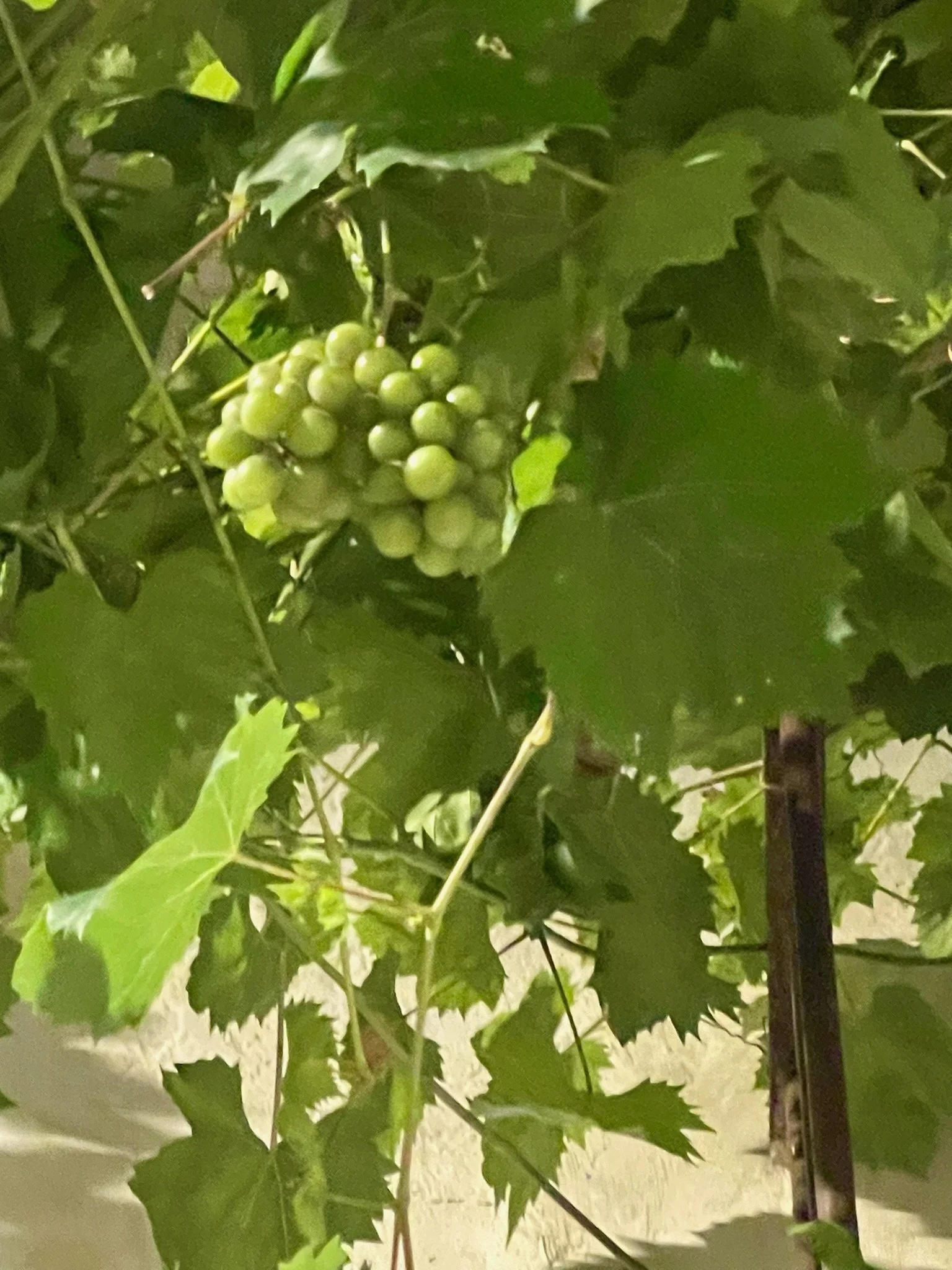
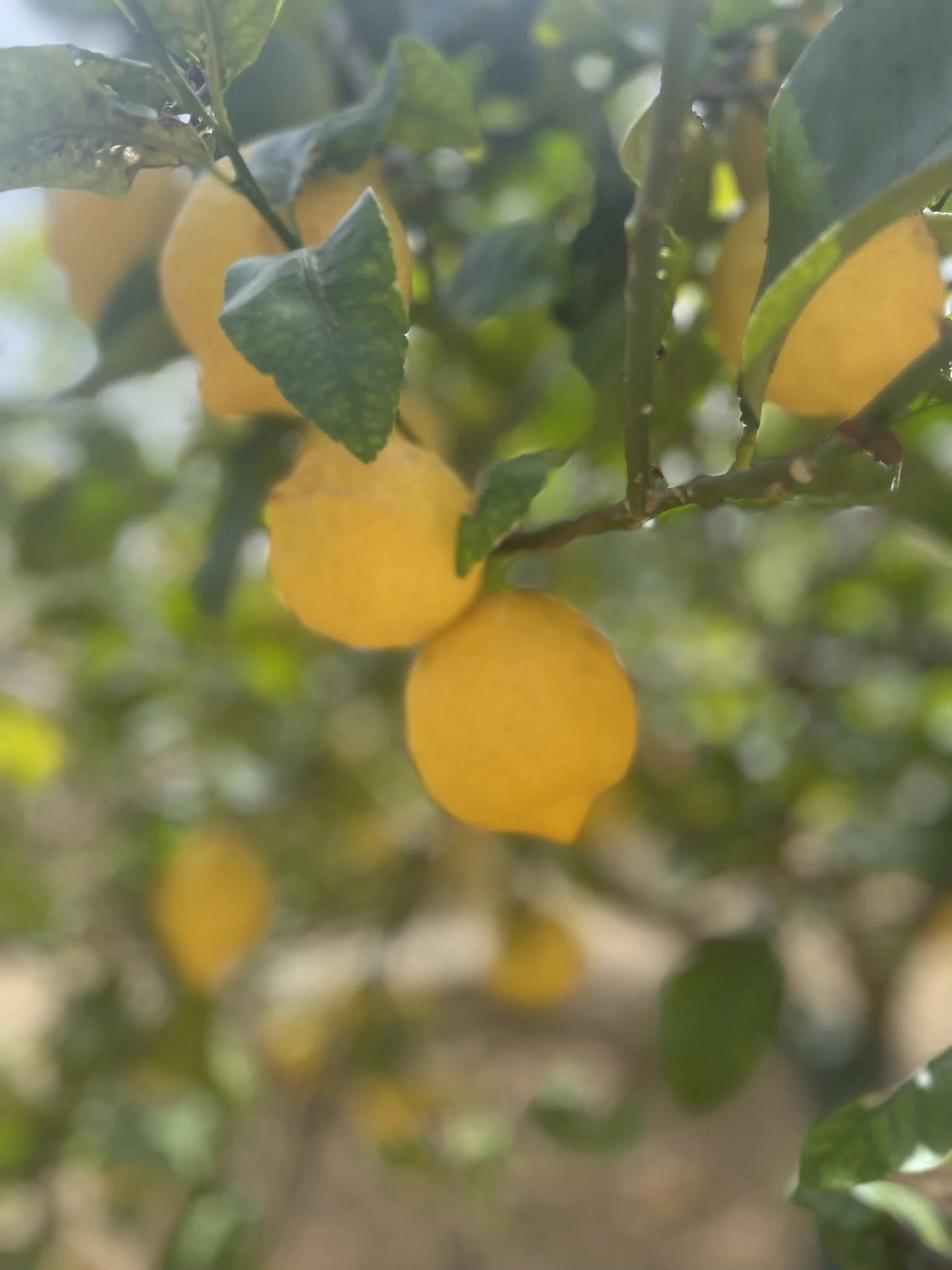
The Seeds of Our Strength
For generations, the people of Southern Italy lived close to the land. Long before supermarkets and convenience foods, survival depended on knowing when to plant, when to harvest, how to save seed, and how to coax abundance from rocky soil and uncertain seasons.
Perhaps that is why so many Italian-American families still find themselves drawn to gardening, preserving food, gathering around the table, and nurturing the people they love. The connection runs deeper than memory. It lives in our hands, our traditions, and perhaps even in our green thumbs.
As you grow these seeds, I hope you'll think of the generations who came before us—the grandparents who carried cuttings in suitcases, saved seeds in aprons, and taught that food was never merely sustenance. It was family. It was faith. It was identity. These simple packets contain more than vegetables and herbs.
They contain stories waiting to grow.
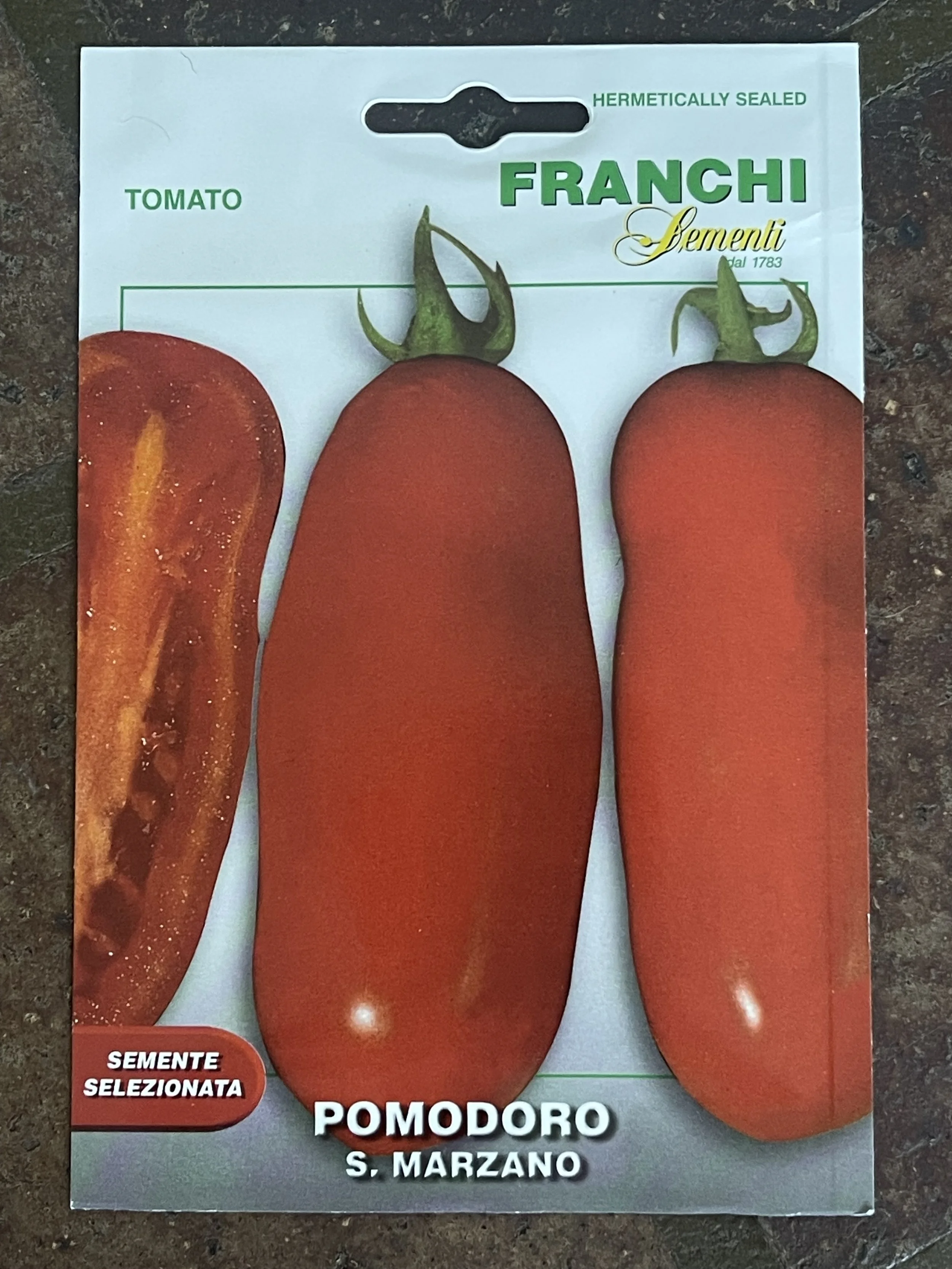
Keeping Ancestral Foods Alive
Branches to Roots is proud to partner with GrowItalian.com – Seeds from Italy, a company whose mission closely mirrors our own: preserving the traditions, flavors, and agricultural heritage that shaped our families. In a world increasingly dominated by industrial agriculture and highly processed foods, there is renewed value in understanding where our food comes from, how it is grown, and what nourishes our bodies. Growing even a small portion of your own food reconnects you to centuries of wisdom that our ancestors took for granted.
Some of Italy's greatest dishes were born not from abundance, but from necessity.
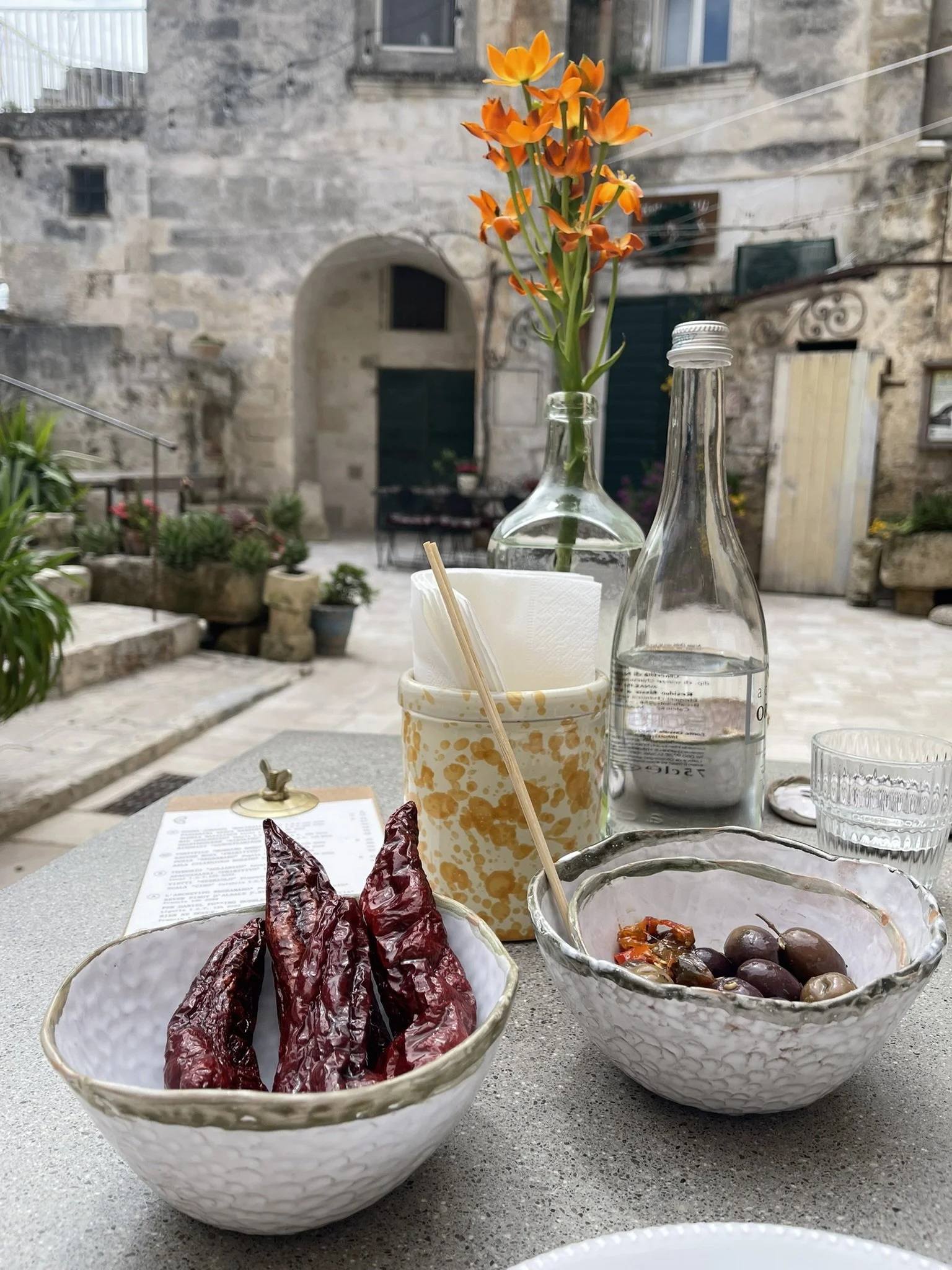
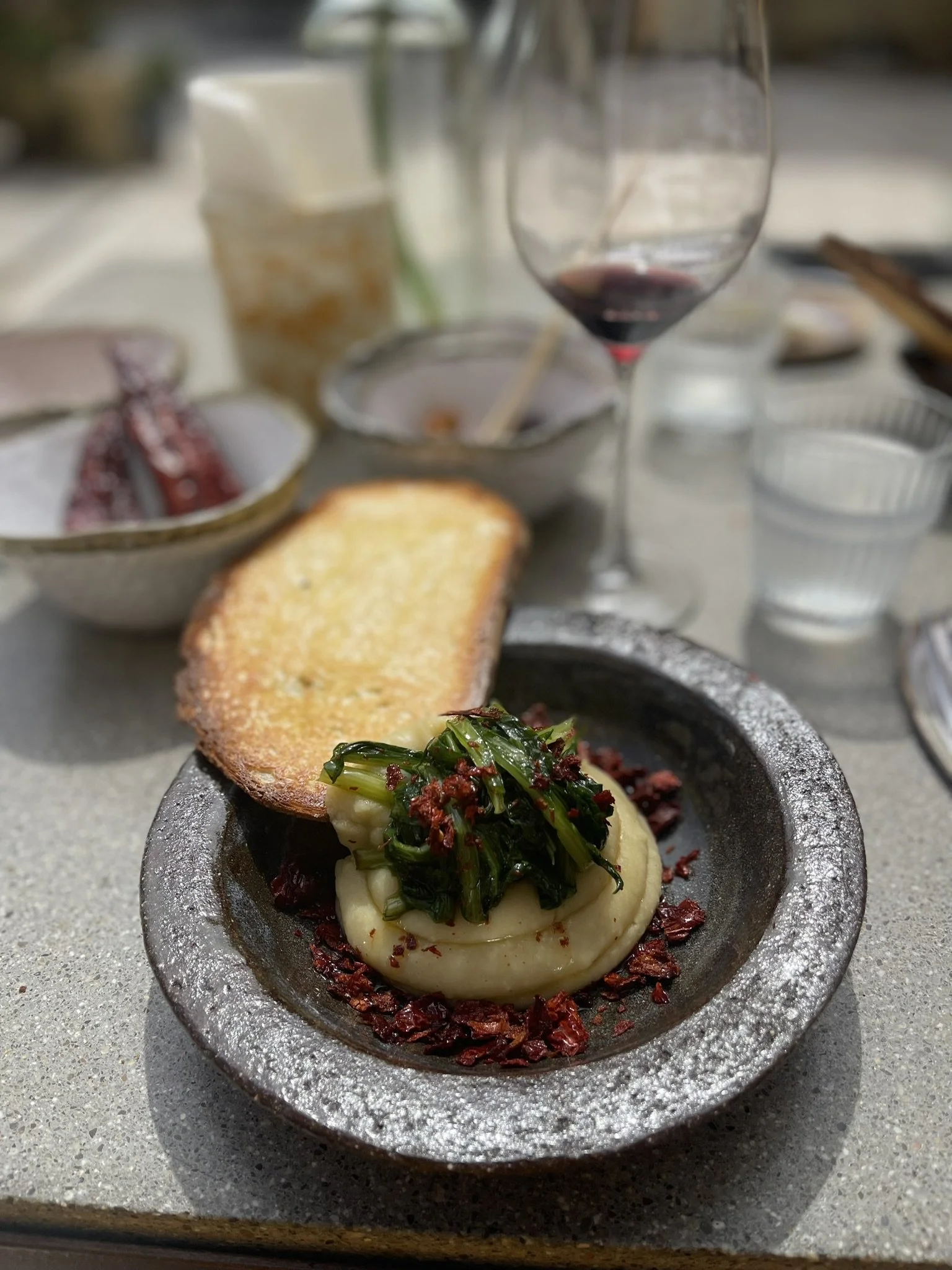
The tradition known as cucina povera—the cuisine of humble people—transformed simple ingredients into extraordinary meals. Burnt wheat pasta, known as grano arso, originated when peasants gathered scorched grains left behind after wealthy landowners burned harvested fields. Fava beans and wild chicory became beloved pairings because families learned to balance rich and bitter flavors using whatever the land provided. Foraging was not a hobby. It was survival. Yet from hardship emerged recipes so deeply satisfying that they remain treasured today.
To understand Southern Italy is to understand that beauty often grows from resilience. The same spirit that turned burnt grain into pasta and wild greens into feasts is the spirit that carried millions of immigrants across oceans in search of a better future.
And it is still alive.
The Wisdom of Cucina Povera
-
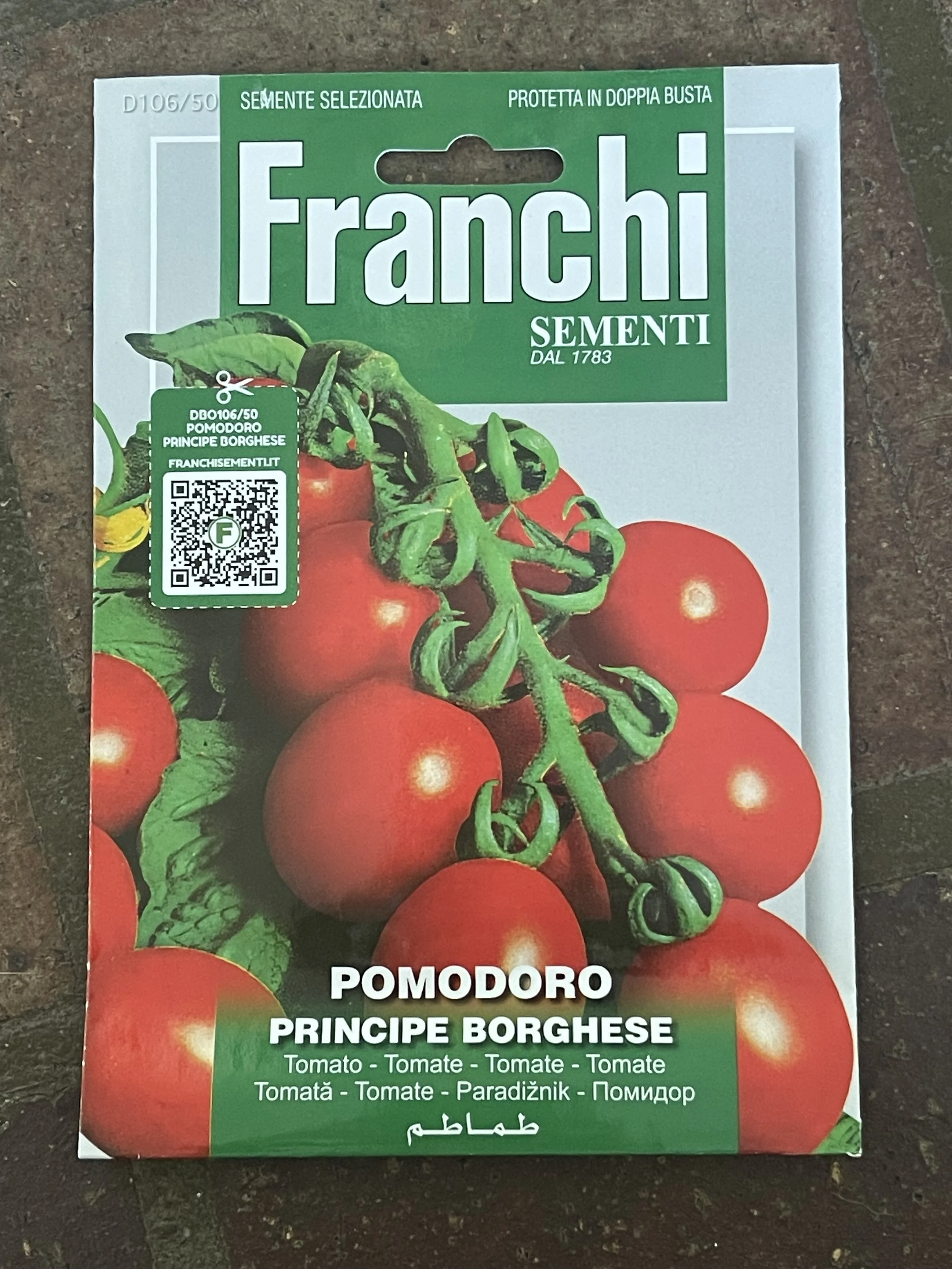
Start your plants about six or seven weeks before anticipated setting out date. Set out date should be after the last frost date and when nighttime temperatures are consistently in the 50s. Here in New England, the traditional date to set out tomatoes is Memorial Day, although you can often set out a week or so earlier; more if you give protection with cloth. If you have the room (such as a small greenhouse), you can start your plants earlier and pot them up to bigger containers as they grow. For example, at six weeks, remove them from the six-pack cell and put them in a 5" pot. 10-14 days later, depending on the growth, put them in an 8” pot. Two weeks later, by which time they will probably be flowering, put them in a 10" pot. Set them out at the normal time.
Growing. Give your plants plenty of room. If you plan on training to a single stem, you can set them 12-16” apart.
-
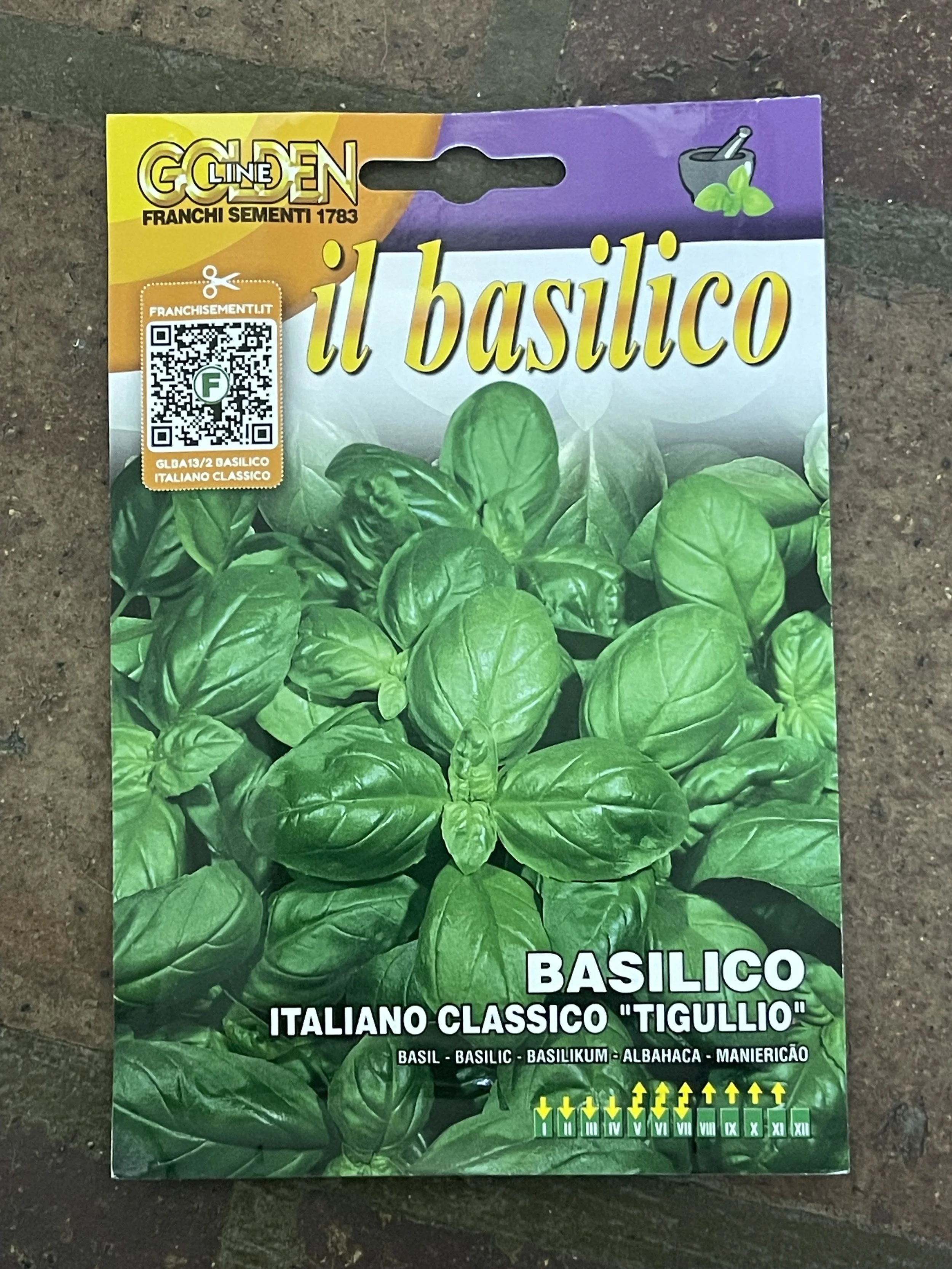
Basil is a warm-weather plant and cannot take even the slightest frost. Basil likes a well-drained, moderately fertile soil with good sun. It does very well grown from transplants, but you can also direct seed it. If you’re interested in planting basil seeds, start about 5-8 weeks before the last frost date. Put 5-6 seeds in a 4” pot covered with a thin layer of vermiculite or fine compost. When the plants are about 2" high, either transplant them to individual containers or thin to three plants and let them keep growing. Set out basil (or direct seed) about the same time you put out tomatoes. Space plants about 12" apart and keep well watered. Basil will grow well in containers. Use at least an 8" pot with a good fertile soil for container grown plants. Pinch off any flower stalks.
-
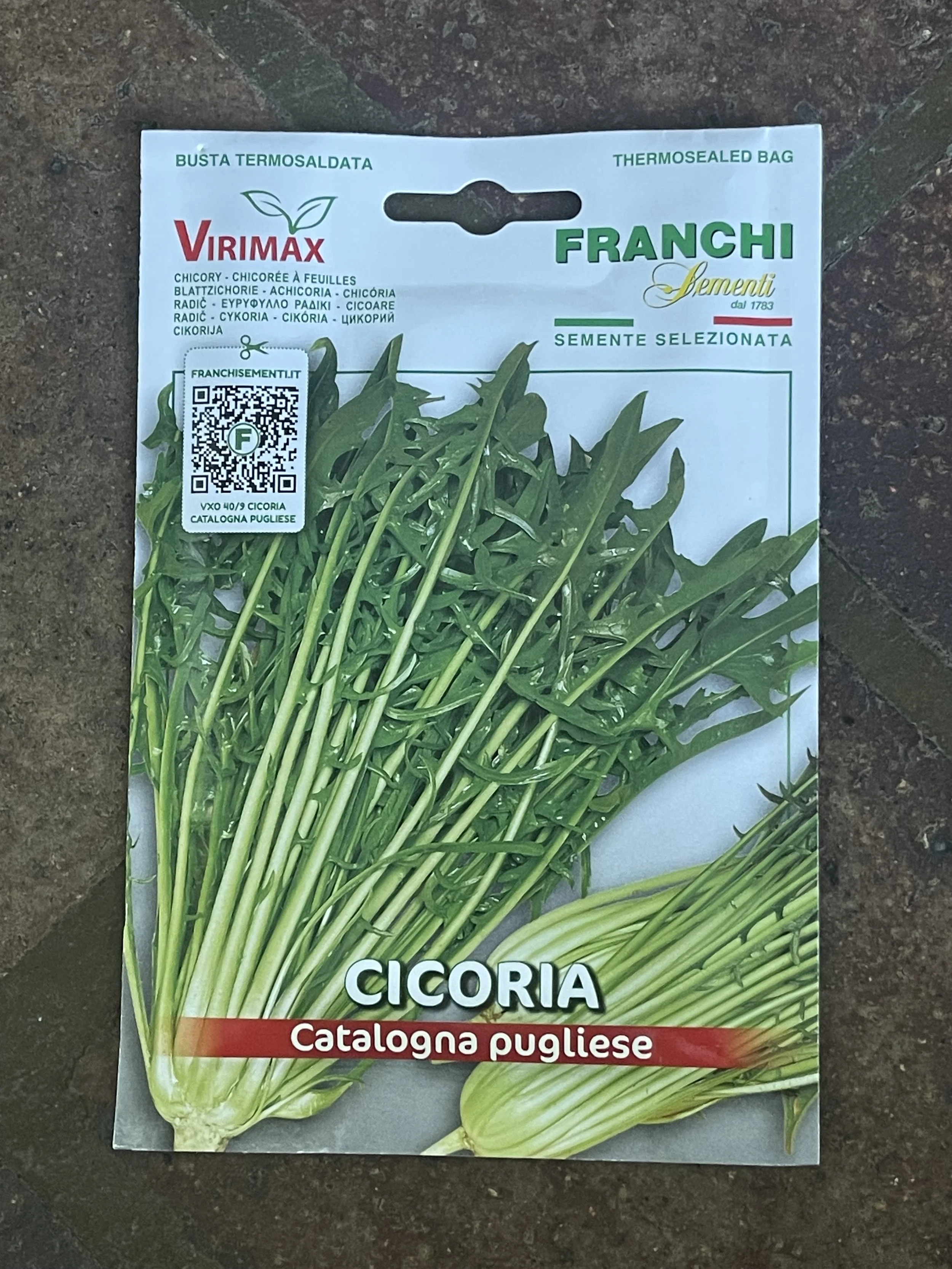
Chicory prefer soil conditions similar to lettuce: loose, well-drained soil with a higher than average fertility, especially nitrogen. In the north, spring crops can usually be grown with 4-6 week transplants set out four weeks or so before the last frost date. For fall crops, direct seed or set out transplants in July or very early August. Direct seed 3-4 seeds every 12-16 inches in rows 16” apart. Set transplants at same depth they were growing. Provide a constant source of water. All of these will take very low temperatures and survive temperatures in the low 20s. Looseleaf varieties will survive the winter if given some protection or grown in an unheated greenhouse. In warmer areas (parts of zone 6, 7, 8, etc.), you can leave them in the ground all winter. If your climate is warm enough, you can even ‘force’ them outside. Since chicory is a perennial, they will regrow the following spring. However, quality is not as good as those grown as annuals.
-
Fava beans prefer to be directly sown into the ground once the soil can be tilled; they don’t transplant well due to their deep taproots. When planting, sow the seeds about 1 to 2 inches deep. If you are starting seeds indoors (recommended for gardeners in colder climates or for early spring crops), begin sowing between February and March. Transplant them outdoors after the last frost when the soil can be worked, usually when it reaches around 50 F.
Space the seeds 4 to 6 inches apart in rows that are 24 inches apart. Fava beans have shallow roots, so consistent moisture is vital, especially during the flowering and pod development stages. Water the plants deeply once or twice a week, depending on rainfall, to keep the soil evenly moist but not waterlogged. Overwatering can lead to mold or mildew, particularly due to the plant’s susceptibility to Black Aphids. To help retain soil moisture and reduce the risk of fungal issues, apply a layer of straw mulch around the plants.
A balanced organic fertilizer can be applied at planting time, especially if your soil is poor. Fava beans thrive in cooler weather, with ideal growing temperatures between 70-80 F. They can be sensitive to heat, so plant them early in the season or in the fall, depending on your region. If you’re growing them as a cover crop, plant outdoors between September and November to enrich the soil for the following spring.
Harvesting Organic Fava Beans
Fava beans are a shelling variety, meaning the beans are harvested from inside the pods rather than eating the pods themselves. Depending on your climate and planting time, fava beans take about 70-85 days to mature. The beans are ready to harvest when the pods are large, green, and slightly swollen. If you wait until the pods turn black or dry out, the beans will be tough and best used for drying rather than fresh eating.
To harvest, simply pick the pods from the plant by hand. For continuous production, pick the pods regularly, which encourages the plant to produce more. If you want to save seeds for next year or for dry beans, leave some pods on the plant until they turn completely black and dry out.
-
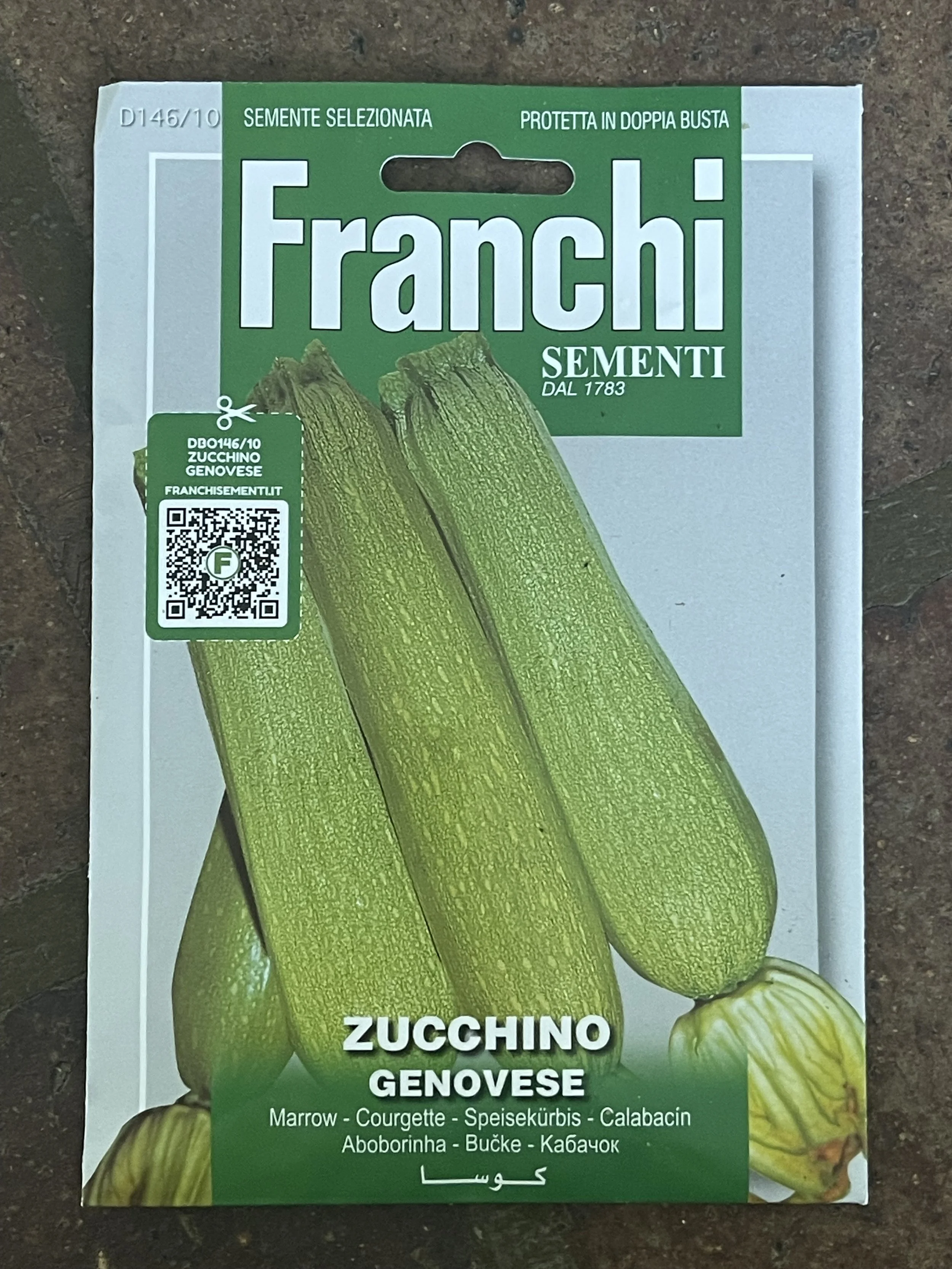
Extremely productive, and very easy to harvest, makes many smooth light green oblong fruits. Sow indoors in late spring, or sow outdoors in the summer. They can be damaged by frost and insects, so take proper precautions for the best quality fruits. 50-59 Days to Full Maturity - Annual Crop - Not Intended to Over-winter - All Zones in the U.S.A
-
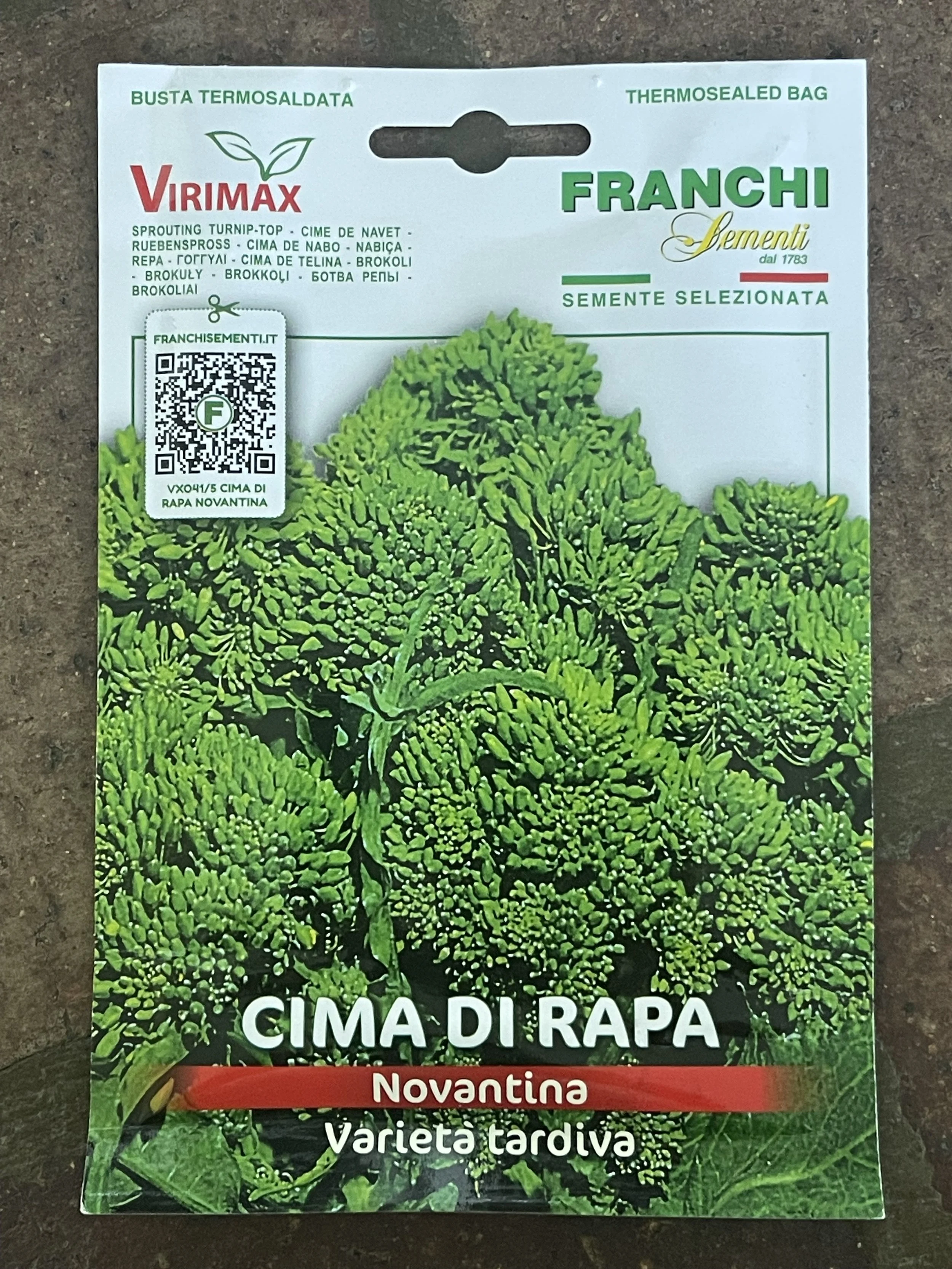
Cima di rapa needs to grow unchecked, so make sure you do a few simple things. Provide a regular amount of water. You need relatively fertile soil. Direct seed (transplants usually will bolt and are just a waste of time since it is such a fast grower.) Sow seeds in rows spaced 12" apart. Try to space a seed per inch, but it never works out that way since the seeds are tiny. No matter. It will be up in three days or so. Thin it a week or two after it germinates. At this stage, it grows fairly quickly and you will have to make a final thinning to 4-5 inches apart for the 40-day variety and 6 inches apart for the 60-day variety.
-
Start your plants about six or seven weeks before anticipated setting out date. Set out date should be after the last frost date and when nighttime temperatures are consistently in the 50s. Here in New England, the traditional date to set out tomatoes is Memorial Day, although you can often set out a week or so earlier; more if you give protection with cloth. If you have the room (such as a small greenhouse), you can start your plants earlier and pot them up to bigger containers as they grow. For example, at six weeks, remove them from the six-pack cell and put them in a 5" pot. 10-14 days later, depending on the growth, put them in an 8” pot. Two weeks later, by which time they will probably be flowering, put them in a 10" pot. Set them out at the normal time.
Growing. Give your plants plenty of room. If you plan on training to a single stem, you can set them 12-16” apart.
-
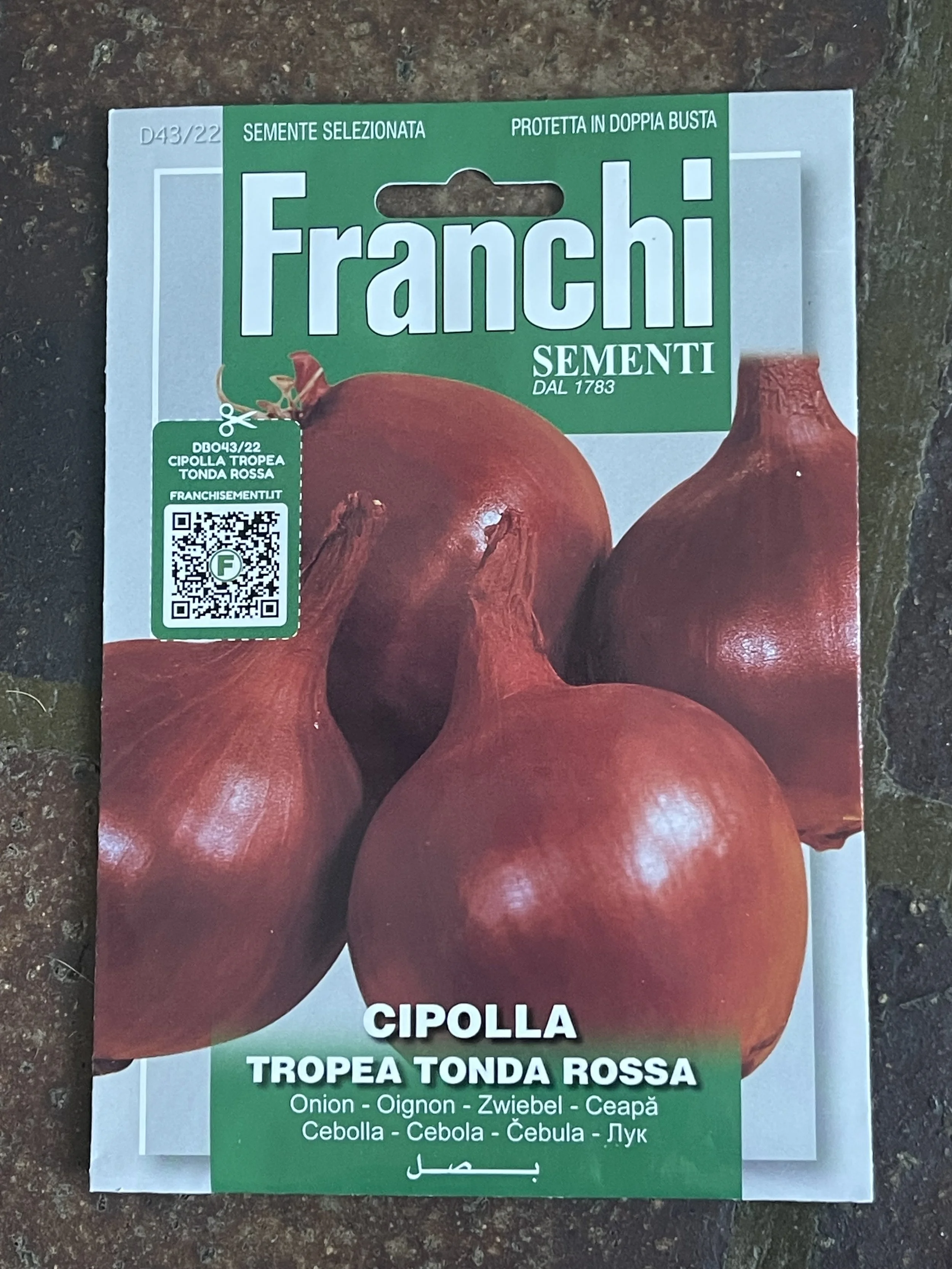
Start your seedlings 10-12 weeks before the time you plan to set them out. You can set them out in the early spring about two or three weeks before the last frost date.
To start your seedlings, put a growing mix (either store bought or home made from 1/2 finely sifted peat, 1/2 finely sifted compost and 1/2 handful of lime per bushel of mix) about 4 inches deep in a flat. Wet mixture thoroughly. Put your onion seed on top trying to space the seeds about 1/4 to 1/2 inch apart. Cover with 1/4 inch soil mix or preferably vermiculite. Water again & set seeds in a warm place. As soon as they germinate, get them under grow lights. You can begin to feed them a week or so after they have germinated.
You want them to have plenty of space, so pull and discard any seedlings that are more than about 1/2 inch from the next one. Allow to keep growing. If they begin to get too tall, you can give them a 'haircut' with a scissors. Just snip off the top inch or two of the seedlings. They will do fine.
About a week to ten days before you plan to set them out, begin to harden them off by putting them outside in a sheltered place for a few hours. Increase the time every day.
To plant out, have a well dug bed with good fertility. Onions benefit from a soil with a high phosphorus content. Plant them about three inches apart in rows set about 10 inches apart. Keep well watered throughout the growing season. Onions benefit from a good fertile soil, so give your crop several side dressings.
Growing Instructions
What begins in your garden can become the journey of a lifetime.
At Branches to Roots, we help travelers experience the Italy their ancestors knew—not simply the Italy found in guidebooks. Imagine learning to make fresh orecchiette in an authentic Puglian kitchen with local women whose families have prepared it for generations. Picture gathering around a long table in a vineyard as the sun sinks below ancient olive trees, sharing dinner beneath a sky filled with stars. Join wine tastings in Alberobello hosted by families whose roots stretch back centuries, where stories flow as freely as the Primitivo. We'll introduce you to the restaurants locals quietly recommend to one another, guide you to hidden corners most visitors never see, and sometimes even help you secure that perfect table overlooking the piazza as the town's patron saint procession winds through streets illuminated by festival lights.
This is travel that moves beyond sightseeing. It is homecoming.
Continue the story…
Start Your Part of the Journey
Plant the seeds.
Cook the recipes.
Share them with your family.
Then come walk the ancient stone pathways where these traditions began.
Ready to experience the Italy of your dreams—the Italy most travelers never see?
Explore our heritage-inspired itineraries, hometown journeys, sacred art experiences, and culinary adventures throughout Puglia and Southern Italy.
Begin your journey today → Contact Branches to Roots for a complimentary Heritage Fit Conversation.
From sea to stone. From memory to belonging. From branches back to roots.